The Chatham County Superior Court is a major trial court that handles serious legal cases in Savannah, Georgia. It plays a key role in the local justice system by managing felony crimes, major civil disputes, and family law matters under the structure of Georgia superior courts. As part of the wider Savannah court system, this court deals with cases that require formal hearings and jury trials. Its decisions can affect people’s rights, property, and future. The superior court chatham county ga serves residents by offering a structured legal process that supports fairness and order across the county.
The chatham county superior court matters for anyone dealing with legal issues in Savannah or nearby areas. It handles complex cases and provides public services such as case searches, court calendars, and official records. Many users visit the court’s system to check case status or file documents. The court connects with other local courts, which keeps the legal process organized and efficient. By following the standards set by Georgia superior courts, it ensures consistent rulings and proper legal procedures. This makes it an important part of daily legal life in Chatham County.
What Is Chatham County Superior Court?
The Superior Court of Chatham County also oversees cases involving family law matters such as divorce, child custody, and adoption, making it highly relevant to everyday legal concerns. In addition, it reviews appeals from lower courts, ensuring fairness and consistency in legal outcomes. Court proceedings are recorded and maintained as official records, contributing to transparency and accountability. With experienced judges and established procedures, the court ensures that justice is administered efficiently while protecting the rights of all individuals involved in each case brought before it. At the core of these operations, the Chatham County Court system supports coordination and consistency across proceedings. The superior court chatham county ga manages these responsibilities through a structured legal process. Each case moves through filing, review, hearings, and trial if needed, with judges carefully evaluating evidence before making decisions.
Authority and Scope of the Court
The superior court chatham county ga has broad judicial authority in both civil and criminal law. It hears cases at the trial level and can issue final rulings that carry legal force across the county. This court handles complex matters that often require detailed evidence, multiple hearings, and formal trials. Its scope includes family law, equity cases, and serious criminal offenses. The court ensures that all proceedings follow Georgia law and proper legal standards, which helps maintain fairness and consistency in the Georgia trial court system. The superior court chatham county ga manages these responsibilities through a structured legal process. Each case moves through filing, review, hearings, and trial if needed. Judges evaluate evidence carefully before making decisions
- Handles felony criminal cases
- Manages divorce and child custody matters
- Resolves land and property disputes
- Oversees equity cases like injunctions
- Conducts jury trials for civil and criminal cases
Difference Between Superior Court and Lower Courts
The superior court chatham county ga stands above lower courts in both authority and case type. Lower courts deal with smaller issues such as traffic tickets, minor disputes, and local ordinance violations. They have limited judicial authority and rarely handle jury trials. In contrast, the superior court focuses on high-level legal matters that require detailed review and formal hearings. Its ability to issue final judgments makes it a key part of the Georgia trial court system and an important legal body in Chatham County. This process supports fair outcomes and keeps legal actions organized. It strengthens the role of the court within the Georgia trial court system.
- Supports consistent judicial decisions
- Ensures fair hearings and legal review
- Maintains structured case procedures
How to Search Cases and Court Records in Chatham County
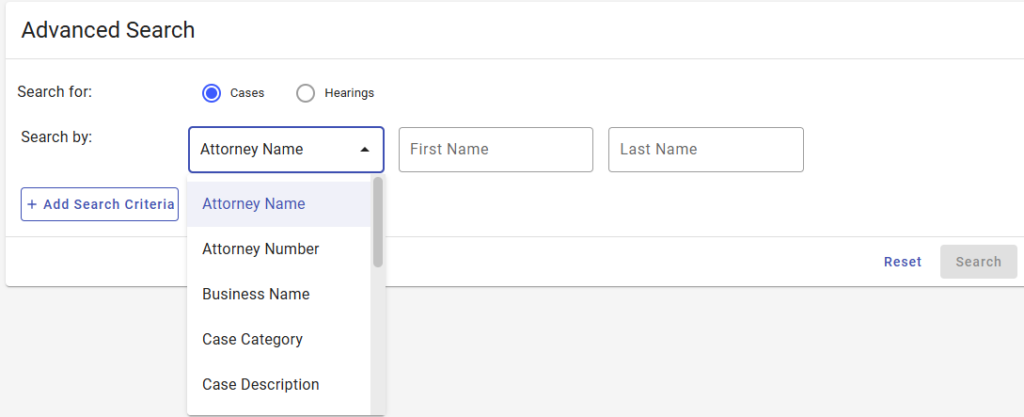
To search court cases Chatham County, users can use the official online system or visit the clerk’s office. The chatham county superior court records system supports public records search through simple tools and clear steps. This platform allows users to perform a case lookup Savannah GA and complete a court docket search from any device. It provides access to case summaries, filing details, and record status. For full documents, users may still need to visit the clerk’s office. Following the correct steps helps users find accurate results without confusion. The official website for chatham county superior court records is:
Official Site: https://superiorcourtclerk.chathamcountyga.gov
How to Search Court Cases Online
The online system makes it easy to search court cases Chatham County using basic details. Users must follow a clear process to get accurate results. Each step helps narrow down the search and locate the correct case file. The system is designed for fast and simple public records search access.
Steps for Online Search:
To perform a case lookup Savannah GA, follow these steps carefully. Each step is important for getting correct results from the system. Entering accurate information improves the success rate of the search. The tool works best when users have at least one key detail ready.
- Go to Official Site: https://superiorcourtclerk.chathamcountyga.gov
- Find the “Case Search” or “Records Search” option
- Enter case number, party name, or business name
- Select case type (civil or criminal if available)
- Click search to view results
- Open the case file to see details like status and hearing dates
- Note that full documents may require a request or fee
In-Person Case Search at Clerk’s Office
Users who need full chatham county superior court records can visit the clerk’s office. This option helps when online results are limited or certified copies are required. Staff at the office assist with court docket search and record requests. This method is useful for detailed file review and official documentation.
Steps for In-Person Record Search:
The in-person process follows a simple structure for public records search. Users should come prepared with basic case details. The clerk’s office provides guidance during the process and helps locate the correct files.
- Visit the Clerk of Superior Court office
- Provide case number or party name
- Request access to case files or documents
- Pay any required fees for copies
- Review records on-site or collect printed copies
Information Needed for Accurate Search
To complete a search court cases Chatham County, users must provide correct details. The system depends on this information to locate records quickly. Missing or incorrect data may lead to no results. Preparing details in advance saves time and improves accuracy in both online and in-person searches.
Required Details for Case Lookup:
Having the right information is key for a successful case lookup Savannah GA. Each detail helps narrow the search and find the exact case file. Users should gather as much information as possible before starting.
- Case number (most accurate method)
- Full name of involved party
- Business name if applicable
- Filing date or case year
- Case type (civil or criminal)
- Court division if known
Types of Cases Handled by the Court
Courts handle a wide variety of cases depending on their jurisdiction and level. Common types include civil cases, which involve disputes between individuals or organizations over rights, property, or contracts. Criminal cases deal with offenses against the state, such as theft, assault, or fraud, where the government prosecutes the accused. Family cases involve matters like divorce, child custody, and adoption. Administrative cases address disputes between individuals and government agencies. Constitutional cases interpret the law in relation to a constitution. Additionally, courts may handle commercial, environmental, and labor-related disputes, ensuring justice across different sectors of society.
Criminal Jurisdiction
The court exercises strong authority over felony cases, which represent the most serious crimes under Georgia law. It functions as a central civil criminal court for handling criminal prosecution at a higher level. Cases include violent offenses, drug crimes, and financial fraud. Judges supervise each stage, from arraignment to trial, to maintain fairness. The court follows strict legal procedures that protect rights and support justice. This jurisdiction allows the court to handle complex criminal matters that require detailed evidence, witness testimony, and careful legal review before final decisions.
Types of Criminal Cases Handled
The superior court chatham county ga handles a wide range of felony cases within the civil criminal court system. These cases involve serious offenses that carry strong penalties under law. Each case requires detailed investigation, evidence presentation, and court hearings. Judges and juries evaluate facts carefully before issuing decisions. Criminal prosecution follows a structured process that ensures fairness and legal accuracy. The court plays a key role in maintaining public safety by handling high-level criminal matters that impact the community and require strict enforcement of legal rules.
- Violent crimes such as assault and homicide
- Drug trafficking and distribution cases
- Armed robbery and burglary offenses
- Financial crimes including fraud and embezzlement
- Repeat felony offender cases
Civil Litigation Scope
The court plays a major role in civil litigation, which involves disputes between parties without criminal charges. It operates as a civil criminal court that resolves financial and legal disagreements. Cases often include property disputes, contract issues, and personal injury claims. Judges review documents, hear arguments, and issue binding decisions. The process follows structured legal steps to keep proceedings organized. This scope allows the court to manage complex disputes that involve large sums, legal rights, and business matters within the Georgia trial court system.
Civil Litigation Cases
Civil litigation in the superior court chatham county ga covers many types of disputes between parties. These cases often involve financial claims, property rights, or contract disagreements. Each case follows a clear process that includes filing, discovery, and hearings. Judges examine evidence and apply legal rules to resolve disputes fairly. The court ensures that both sides present their arguments before a decision is made. This system helps maintain balance and order in civil cases that require formal legal review and structured court procedures.
- Contract disputes between individuals or businesses
- Property ownership and land conflicts
- Personal injury and compensation claims
- Business and commercial disagreements
- Claims involving financial damages
Family and Equity
The court handles domestic relations and equity cases that involve personal and sensitive legal issues. These matters include divorce, custody, and requests for court orders. Judges review each case carefully to protect rights and maintain fairness. The court follows legal standards to resolve disputes that affect families and personal relationships. Equity cases often involve injunctions or orders that require specific actions. This part of the civil criminal court system supports balanced outcomes in situations that require careful legal judgment and structured decision making.
Family and Equity Case Types
The superior court chatham county ga manages domestic relations and equity cases with careful legal review. These cases often involve family matters and legal rights that require attention and fairness. Judges consider evidence, legal standards, and personal circumstances before making decisions. The court handles each case through hearings and structured procedures. This process helps resolve disputes in a fair and organized way. Family and equity matters play an important role in the court’s work within the civil criminal court system.
- Divorce and legal separation cases
- Child custody and support matters
- Alimony and financial support disputes
- Protective orders and injunction request
- Guardianship and related legal issues
Structure of Court Proceedings
Court proceedings follow a structured sequence to ensure fairness and clarity. They typically begin with the filing of a case, followed by preliminary hearings where issues such as jurisdiction and bail may be addressed. Next comes the trial stage, where both parties present evidence, examine witnesses, and make arguments before a judge or jury. After this, closing statements are delivered, summarizing each side’s position. The judge or jury then deliberates and delivers a verdict. Finally, sentencing or remedies are decided, and parties may have the option to appeal the decision in a higher court.
Filing the Case
Court proceedings begin when a party files a case with the court clerk. This step starts the legal process and creates an official record of the dispute. The filing includes documents that explain the issue, claims, or charges involved. The clerk assigns a case number, which helps track progress through all legal stages. Accurate filing is important since errors can delay the case. Once accepted, the case moves forward into the next stage, forming the base for resolving legal disputes through a structured system.
Pre-Trial Hearings and Preparation
After filing, the case enters pre-trial preparation, where hearings and case planning take place. Both parties gather evidence, review documents, and prepare arguments for the trial process. Judges may hold hearings to address motions or settle minor issues early. This stage helps narrow down the main points of legal disputes and improves efficiency. Proper preparation reduces delays and supports smoother court proceedings. It allows each side to present a clear position before moving into the trial phase where decisions carry legal impact.
Key Pre-Trial Activities
Pre-trial activities play a key role in preparing both sides for court proceedings. These steps focus on gathering information, reviewing evidence, and setting timelines for the trial process. Each activity helps clarify the issues involved in legal disputes and reduces confusion during hearings. Judges may review progress and give instructions to keep the case on track. This stage builds a strong foundation for the next legal stages by organizing facts, witness details, and legal arguments before the case reaches trial.
- Filing legal motions and responses
- Collecting and exchanging evidence
- Preparing witnesses for testimony
- Scheduling hearings and court dates
- Attempting settlement discussions
Trial Process
The trial process is the central stage of court proceedings where both parties present their arguments. It takes place before a judge or jury, depending on the case type. Each side shares evidence, questions witnesses, and explains its position. The judge ensures that rules are followed and maintains order in the courtroom. This stage allows a full review of the legal disputes involved. Trials can vary in length based on complexity, but each follows a clear structure to support fair and balanced decisions.
Steps in the Trial Process
The trial process includes several important steps that shape the outcome of court proceedings. Each step allows both sides to present their case clearly and fairly. Judges oversee the process and maintain legal order during hearings. Evidence is reviewed, and witnesses provide testimony under oath. These steps help the court evaluate legal disputes in a structured way. A clear sequence ensures that no part of the case is missed and that final decisions are based on complete and accurate information.
- Opening statements from both parties
- Presentation of evidence and witnesses
- Cross-examination of witnesses
- Closing arguments
- Jury deliberation or judge decision
Jury Trial Process in Savannah Superior Court
Jury trials in the savannah superior court allow citizens to take part in deciding serious legal cases. The trial jury system follows clear steps that support fairness and balanced decisions in both civil and criminal matters. In the savannah superior court, jury trials are a key part of the legal process for handling major disputes and felony cases. These trials involve a group of selected citizens who listen to evidence and decide the outcome based on facts presented in court. The trial jury system ensures that decisions reflect community standards, not just judicial authority. Judges manage the process and give legal instructions, while jurors focus on evaluating testimony and evidence. This system helps maintain trust and fairness within the court proceedings.
Juror Selection and Voir Dire Process
The selection of jurors begins with a process known as the voir dire process, where potential jurors are questioned before being chosen. This step helps confirm that each juror can remain fair and unbiased during the trial. In many instances, attorneys may also rely on a case search to better understand background details relevant to jury selection. Attorneys from both sides ask questions to identify any conflicts or personal opinions that may affect judgment. The goal of juror selection is to form a balanced and impartial jury panel that can review the case objectively.
Steps in Juror Selection
The voir dire process includes several steps that help build a fair jury for jury trials. Potential jurors are called to court, questioned, and reviewed before final selection. This stage helps remove bias and supports fairness in the trial jury system. Judges oversee the process and make final decisions on juror eligibility. Each step ensures that selected jurors can handle the responsibility of reviewing legal disputes and making informed decisions based on presented evidence.
- Summoning potential jurors from the community
- Questioning jurors during voir dire process
- Removing biased or unqualified candidates
- Finalizing a jury panel for the case
Role and Responsibilities of Jurors
Jurors in the savannah superior court hold an important role during jury trials. They must listen carefully to all evidence, follow the judge’s instructions, and discuss the case with other jurors before reaching a verdict. Their responsibility is to remain neutral and base decisions only on facts presented in court. The trial jury system depends on jurors acting honestly and fairly. Their final decision determines the outcome of the case and must reflect careful thought and legal standards.
Filing Procedures and Case Initiation
To file a case Chatham County court, a party must submit proper documents to the court clerk and follow the legal filing process. Initiating legal action begins with clear paperwork, correct fees, and compliance with court rules. The process to file a case Chatham County court starts with preparing legal documents that explain the issue or claim. These documents must follow court formatting rules and include key details such as names of parties, facts of the case, and requested relief. The court clerk reviews submissions and assigns a case number once accepted. This step officially begins the legal filing process and records the case in the system. Proper filing helps avoid delays and ensures that the case moves forward through the correct legal stages.
Required Documents for Filing
Before initiating legal action, specific documents must be prepared and submitted. These documents vary depending on the type of case, but they must clearly present the issue and legal claims. The court clerk checks each document for completeness and accuracy. Missing or incorrect information can slow down the legal filing process. Proper documentation ensures that the case is recorded correctly and can proceed without unnecessary delays.
Documents Needed
The documents required to file a case Chatham County court depend on the nature of the dispute. Each document plays a role in presenting facts and legal arguments. These records form the base of the case and help the court understand the issue. Clear and complete documentation supports a smooth legal filing process. It also helps the court clerk review and accept the case quickly.
- Complaint or petition outlining the case
- Summons to notify the other party
- Supporting documents or evidence
- Filing fee payment or fee waiver request
- Identification details of all involved parties
Filing Sequence and Process Flow
The legal filing process follows a clear sequence that helps organize initiating legal action. First, the party prepares and submits documents to the court clerk. Next, the clerk reviews and records the case, assigning a number for tracking. After that, the summons is issued and served to the other party. This step ensures that all parties are informed about the case. Following this sequence keeps the process structured and helps the case move forward without confusion.
Steps in Filing Sequence
The filing sequence in the file a case Chatham County court process includes several steps that must be followed carefully. Each step ensures that the case is properly recorded and legally valid. The court clerk plays an important role in reviewing and processing documents. A clear sequence supports efficient handling of cases and reduces errors during initiating legal action.
- Prepare and review all legal documents
- Submit documents to the court clerk
- Pay filing fees or request waiver
- Receive case number and official record
- Serve summons to the opposing party
Access to Court Documents and Records
Court records Chatham County include a wide range of legal documents and case files maintained by the court. Many of these records are part of public access records, allowing people to review case details under set rules. The court records Chatham County system stores important legal documents related to civil and criminal cases. These records may include filings, motions, judgments, and hearing details. Most case files are available for public review through the clerk’s office or online systems, depending on the case type. Public access supports transparency and allows people to stay informed about legal matters. These records help track court activity and provide verified information about ongoing or completed cases.
Who Can Access Court Records
Access to court records Chatham County is open to the public in many situations. Members of the public, attorneys, and involved parties can review case files through official channels. The court clerk manages requests and provides access based on legal rules. Some records may require identification or a formal request before viewing. Public access records allow people to check case status, review filings, and obtain copies when needed. This system supports fairness by giving equal access to legal information within the court system.
Ways to Access Records
There are several ways to access court records Chatham County, depending on the type of record and availability. The process is managed by the court clerk and follows set procedures. Access may be available in person or through digital platforms. Each method provides a way to review legal documents and case files efficiently. Following proper steps helps avoid delays and ensures accurate record retrieval.
- Visit the court clerk’s office in person
- Use official online case search systems
- Request copies of legal documents
- Submit formal record requests if required
Limitations and Restrictions
Not all court records Chatham County are fully open to the public. Some legal documents and case files are restricted to protect privacy and sensitive information. Cases involving minors, sealed records, or confidential matters may have limited access. The court clerk enforces these restrictions based on legal standards. These limits help protect personal data while maintaining transparency where possible. Users must follow court rules when requesting records and respect restrictions placed on certain documents.
Location and Contact Information
Our office is conveniently located in the heart of the city, making it easily accessible by public and private transportation. Visitors can find ample parking nearby and clear directions on our website. For any inquiries, feel free to reach out through our official phone number or email address, both of which are monitored during business hours. Our support team is always ready to assist with prompt and professional responses. You can also connect with platforms for updates, announcements, and quick communication whenever needed.
Savannah Superior Court Address and Details
The savannah superior court is located in downtown Savannah at the main county courthouse. It provides public services, court hearings, and clerk support during standard weekday office hours. This courthouse is the primary location where jury trials, hearings, and major court proceedings take place in Chatham County. Visitors can reach the courthouse during standard office hours for filings, records, and general court services.
- Address: 133 Montgomery Street, Savannah, GA 31401
- Phone: (912) 652-7197
- Hours: Monday–Friday, 8:00 AM – 5:00 PM
Frequently Asked Questions
Frequently Asked Questions are a helpful way to address common queries that people may have about a product, service, or topic. They provide clear, concise answers to save time and improve understanding without needing direct support. FAQs are often organized in a simple question-and-answer format, making information easy to scan and access quickly. They also help reduce confusion, build trust, and enhance user experience by offering immediate solutions. Well-written FAQs can guide users effectively and ensure they find accurate information whenever they need it.
What cases are handled in Chatham County Superior Court?
The court handles a wide range of serious legal matters within the county. It acts as a civil criminal court, which means it deals with both criminal prosecution and civil litigation. Common cases include felony offenses, large financial disputes, and family law matters. It hears divorce, custody, and property cases under domestic relations. The court holds authority to manage complex legal disputes that require formal hearings and jury trials. This makes it one of the highest-level trial courts in the local system.
How do I search for court records in Chatham County GA?
Court records Chatham County can be searched through the clerk of court office or official online systems. Public access records include many legal documents such as filings, judgments, and case updates. A user can search by case number, party name, or date. Some records may require a formal request or small fee for copies. The court clerk manages all case files and helps with record retrieval. This system allows people to stay informed about ongoing or completed legal disputes within the court.
Where is the Savannah Superior Court located?
The savannah superior court is located at 133 Montgomery Street in Savannah, Georgia. This courthouse serves as the main location for hearings, jury trials, and legal proceedings in Chatham County. It is placed in a central downtown area, making it easy to reach. The building includes courtrooms and clerk offices for public services. Standard office hours usually run from morning to late afternoon on weekdays. Visitors can go there for filings, court records, and general court-related inquiries.
How are felony cases processed in this court?
Felony cases follow a structured legal process within the court proceedings system. The process begins with filing charges and arraignment, where the accused is informed of the case. After that, pre-trial hearings take place to review evidence and prepare arguments. The trial process then allows both sides to present evidence before a judge or jury. Final judgment is given based on facts and legal rules. This step-by-step system ensures that criminal prosecution follows proper legal standards and fairness.
Can the public access court documents?
Yes, many court records Chatham County are available through public access records systems. People can review case files, legal documents, and court decisions through the clerk’s office or online tools. Access rules depend on the type of case and level of confidentiality. Some documents, such as sealed records or cases involving minors, may have restrictions. The court clerk controls access and provides copies when allowed. This process supports transparency while protecting sensitive legal information.